Take three and pay for only two with coupon TRIPLEEN


Hand-checked
Free SHIPPING
Second life
La Cocina Práctica, Tomo 3: Platos Sencillos
by José Manuel Lara (dir.) · Planeta · tapa dura · 940 pages
12 people viewing thisViewed 3 times
4.3
Pages: 940 pagesAuthor: José Manuel Lara (dir.)Publisher: PlanetaFormat: tapa duraLanguage: es-ESRelease date: 1/1/1986ISBN: ISBN 9788432089237
Choose the condition
What each condition includes
AcceptableVisible marks on cover. Complete, intact content and inspected.
GoodLight marks on cover. Clean pages and spine in good shape.
Very GoodBarely noticeable marks. Pristine interior. Almost no signs of use.
Like NewNo visible marks. Cover, spine and pages flawless.
NewBrand-new book, unused. Ordered directly from the publisher.
New condition items ship only to the UK, with free shipping on orders from £15. All other conditions always include free shipping with no minimum order.
* All our products are carefully inspected to support sustainable culture.
Hamelyn quality guarantee
Every product is inspected, cleaned and verified before shipping. If it's not what you expected, we'll refund your money.
Complete your 3-for-2 with José Manuel Lara (dir.)
Add 3 and the cheapest one is free
Los santos protectores
£10.06

Diccionario Espasa Pocket
£10.58

Paulo Coelho. Biografía de un narrador
£10.06

Votos contra balas
£10.06
Synopsis of La Cocina Práctica, Tomo 3: Platos Sencillos
Este es el tercer tomo de la colección 'La Cocina Práctica', dedicado a platos sencillos. Publicado por Editorial Planeta en 1986, este libro de cocina ofrece una variedad de recetas prácticas y fáciles de preparar. Con 940 páginas, es una guía completa para aquellos que buscan opciones culinarias accesibles y deliciosas.
More titles for people who read La Cocina Práctica, Tomo 3: Platos Sencillos
Recommended by Julia


About the author
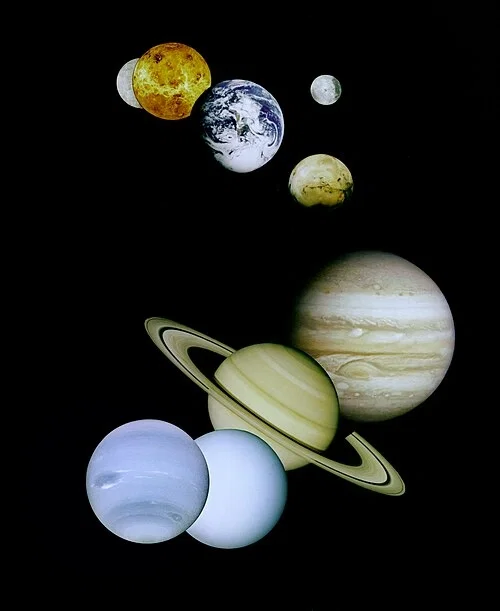
planet
A planet is a large, rounded astronomical body that is generally required to be in orbit around a star, stellar remnant, or brown dwarf, and is not one itself. The Solar System has eight planets by the most restrictive definition of the term: the terrestrial planets Mercury, Venus, Earth, and Mars, and the giant planets Jupiter, Saturn, Uranus, and Neptune. The best available theory of planet formation is the nebular hypothesis, which posits that an interstellar cloud collapses out of a nebula to create a young protostar orbited by a protoplanetary disk. Planets grow in this disk by the gradual accumulation of material driven by gravity, a process called accretion.
60 titles published
View full profileBest-selling books in Food
Best sellers


Take 3, pay for only 2 · TRIPLEEN
-
VAT included