


by Helga Kuhse, Peter Singer · Oxford University Press · tapa dura · ISBN 9780192177452

VAT included




Hamelyn quality guarantee · checked and verified, or your money back
«Should the Baby Live?» is the bioethics essay by Helga Kuhse and Peter Singer, published by Oxford University Press in hardback (235 pages, in English).
Helga Kuhse and Peter Singer examine the dilemma of newborns with severe disabilities: whether to prolong their lives, who decides, and whose interests count. Using real cases such as Baby Doe and the trial of Dr Leonard Arthur, they question the absolute sanctity of human life, distinguish killing from letting die, and propose a decision-making framework.
Part of the «Studies in Bioethics» series from Oxford University Press, it includes a bibliography and index.
Aimed at university students, bioethics professionals, and readers of practical philosophy.


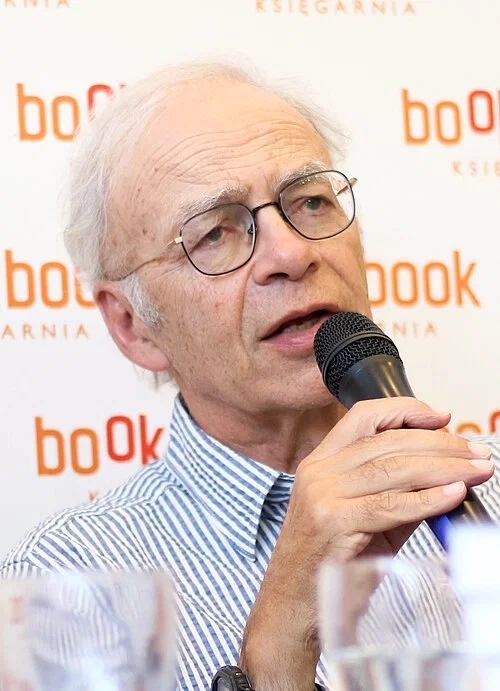
Peter Albert David Singer is an Australian moral philosopher who is Emeritus Ira W. DeCamp Professor of Bioethics at Princeton University. Singer's work specialises in applied ethics, approaching the subject from a secular, utilitarian perspective. He wrote the book Animal Liberation (1975), in which he argues for vegetarianism, and the essay "Famine, Affluence, and Morality", which argues the moral imperative of donating to help the poor around the world. For most of his career he was a preference utilitarian. He revealed in The Point of View of the Universe (2014), co-authored with Katarzyna de Lazari-Radek, that he had become a hedonistic utilitarian.


