


by André Glucksmann · Tusquets Editores S.A. · tapa blanda · ISBN 9788483832332

VAT included




Hamelyn quality guarantee · checked and verified, or your money back
In this essay, André Glucksmann explores the contrasting ways of understanding and practicing philosophy through the figures of Socrates and Heidegger. Socrates, with his invitation to doubt and individual courage, and Heidegger, with his focus on the anguish of death and the critique of technology, represent opposite but equally radical paths. Glucksmann analyzes human finitude and the tensions between the individual and the community, inviting a deep reflection on our destiny.
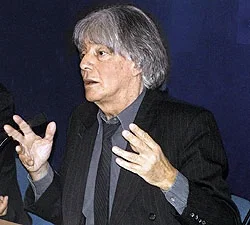
André Glucksmann was a French philosopher, activist, and writer. He was a leading figure of the new philosophers. Glucksmann began his career as a Marxist, who went on to reject Marxism–Leninism and real socialism in the popular book La Cuisinière et le Mangeur d'Hommes (1975), and later became an anti-Communist and outspoken critic of the Soviet Union and post-Soviet Russian foreign policy. He was a strong supporter of human rights. In later years, he opposed the claim that Islamic terrorism is the product of the clash of civilizations between Islam and the Western world.


