


by John Ardagh · Penguin · tapa blanda · ISBN 9780140171600

VAT included




Hamelyn quality guarantee · checked and verified, or your money back
«Ireland and the Irish: Portrait of a Changing Society» is John Ardagh's social essay, published by Penguin in paperback (496 pages, in English).
John Ardagh portrays the transformation of Irish society, once rural and Catholic, in its European integration: economic modernisation, the Church's loss of authority, and tension between the traditional and the new. He covers Dublin and the farms of Mayo, the role of women, music, Gaelic, and reconciliation in Northern Ireland.
The book was originally published in 1995; this paperback edition from Penguin Books is from March 1997.
For readers interested in Ireland's social history, its culture, and its process of modernisation within Europe.


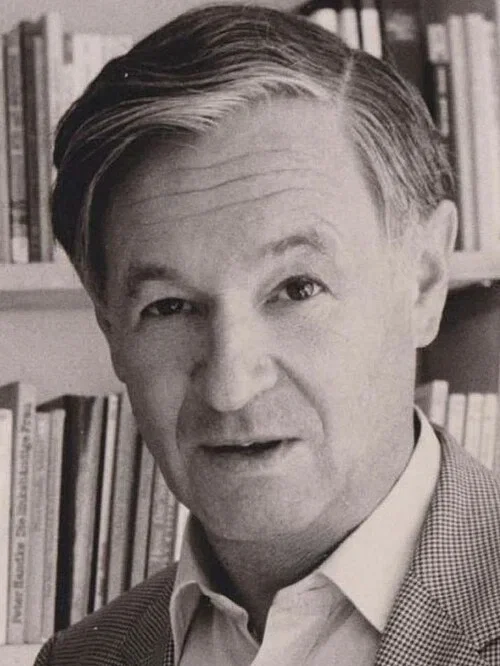
John Ardagh was a British journalist, writer and broadcaster. He was educated at Sherborne School, Dorset, and Worcester College, Oxford, where he studied classics and philosophy. From 1953 until 1959, he was a staff writer and correspondent for The Times in France and Algeria. His interest in provincial themes developed through work for Independent Television News and as a correspondent for The Observer (1960–66), mainly writing about culture. His book The New French Revolution, first published in 1968, has been updated many times, most recently as France in the New Century: Portrait of a Changing Society (1999) Ardagh wrote other books to reflect "real" life in Europe. Tale of Five Cities, based on major provincial centers of Europe, appeared in 1979. Germany and the Germans he wrote in 1987, together with his German wife, Katharina. Ireland and the Irish (1994) drew on his family roots. He was also managing editor of the Good Food Guide from 1966 to 1968 and European editor of the Good Hotel Guide for 25 years. Ardagh continued to work for better cross-Channel understanding as a member of the Franco-British Council (1992–98). His name is associated with a study of publishing in France and Britain (1995), produced with the French historian, François Crouzet. The French Government made him a Chevalier des Arts et des Lettres


