

by Herbert Marcuse · Planeta/Ariel · tapa blanda · ISBN 9788434406575

VAT included




Hamelyn quality guarantee · checked and verified, or your money back
In 'The End of Utopia', Herbert Marcuse explores how the development of automation could create the conditions for social emancipation, ending a system based on alienated labor and the repression of human drives. Published in 1981 by Ariel, this book raises crucial questions about the future of civilization and the possibility of a freer and fairer society.


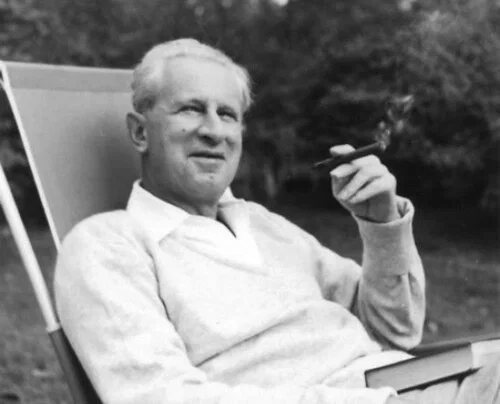
Herbert Marcuse was a German and American philosopher, social critic, and political theorist, associated with the Frankfurt School of critical theory. Born in Berlin, Marcuse studied at the Friedrich Wilhelm University of Berlin and then at the University of Freiburg, where he received his PhD under the supervision of Martin Heidegger. He was a prominent figure in the Frankfurt-based Institute for Social Research, which later became known as the Frankfurt School. In his written works, he criticized capitalism, modern technology, Soviet Communism, and popular culture, arguing that they represent new forms of social control.


